
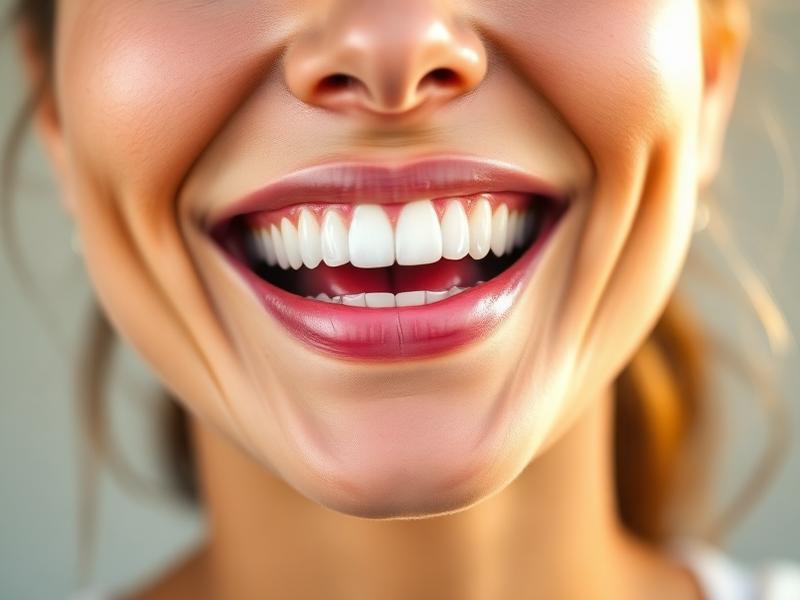
Dental veneers
Veneers, explained plainly
A veneer covers the front surface of a tooth. Here is what it fixes, what it costs you in enamel, and what getting one involves, with the clinical points taken from the American Dental Association and Cleveland Clinic, and the practice facts.
What Are Dental Veneers and What Do They Fix?
Dental veneers are custom-made, natural-looking coverings for your teeth made of high-quality dental material, and the ADA says they can improve the appearance of teeth that are chipped or broken, stained, or crooked or misshapen, and can also mask gaps in your smile. Veneers can also camouflage teeth that are too small and stains that do not improve with teeth whitening.
A veneer is not a crown. Veneers cover only the front surface of a tooth rather than the entire tooth structure, while a dental crown covers the entire tooth to add strength and protection, and the main purpose of a crown is to restore a tooth badly damaged by decay or trauma. Veneers are a cosmetic treatment: they improve your smile, but they do not necessarily strengthen or repair your teeth.
Porcelain Veneers vs Composite Veneers
Porcelain veneers and composite veneers are the two main types of veneers, the ADA says, and each type has its benefits. A porcelain veneer is a thin shell custom-made to fit the front surface of the tooth; porcelain veneers are strong, long-lasting and natural-looking, and they tend to be the more expensive option. A composite veneer is made from a tooth-colored filling material bonded to the tooth. Composite veneers may require less tooth enamel to be removed and fewer visits, and are easier to fix if damaged, but are not as stain- or wear-resistant. The composite resin is the same material used for dental bonding.
No-prep or minimal-prep veneers require less enamel removal than traditional veneers but still require some, and they are not right for everyone. Removable veneers can make it difficult to eat and could affect speech, and there is not a lot of research on them. Our office emphasizes conservative treatment and metal-free restorations when appropriate.
What to Know Before You Get Veneers
Before you get veneers, the ADA lists five things to understand. Treatment is not reversible, because tooth enamel is removed to place a veneer. Your dentist must first treat any decay or gum disease, because placing veneers over unhealthy teeth may worsen existing problems. A veneer may chip, crack, wear down or loosen over time, requiring your dentist to re-bond, repair or replace it. If you clench or grind your teeth, or have a deep overbite, veneers may not be a good choice. And veneers are considered cosmetic dentistry, so a veneer may not be covered by insurance unless it is deemed medically necessary.
Veneers are only an option if you are free of extensive cavities and gum disease, and serious oral health issues should be addressed first. Dr. Raffie Garabedian, a periodontist, is part of our team alongside Dr. Robert P. Hedvat, a general dentist practicing since 2011.
How Veneers Are Placed: The Two Visits
Porcelain veneers are placed over two office visits, following the four steps the ADA lists. The dentist prepares the tooth by removing a small amount of enamel from the front and sides, then takes an impression for a mold or uses a scanner to make a 3D computer model. The impression or model goes to a dental lab, where a technician custom makes the veneer, and you may have a temporary veneer until yours is ready. At the second visit the veneer is placed to check fit and shape, the teeth are cleaned after any adjustments, and the veneer is bonded to the tooth. Each process includes picking the shade to match your natural teeth. Our office has intraoral scanning for digital impressions, which builds a three-dimensional model of the mouth without bulky impression trays.
The lab can take a few weeks, and before bonding the veneers with dental cement the dentist checks their shape, color and fit; the bite is checked and adjusted at the end. There is no downtime after placement. It may take a few days to get used to a veneer, so tell your dentist if your bite does not feel right so it can be corrected. A composite veneer is different: the dentist prepares the tooth, bonds and sculpts the composite, hardens it with a special light, then smooths and polishes it.
For anxious patients, our sedation options are nitrous oxide, which is gentle and fast-acting with the patient awake and responsive and effects that wear off quickly; twilight sedation where appropriate, after reviewing your health and the planned procedure; and IV sedation under the care of a Dental Anesthesiologist. Our team takes dental anxiety seriously.
How Long Do Veneers Last?
Dental veneers last between 10 and 15 years on average with proper care and maintenance, according to Cleveland Clinic. The disadvantages are plain: you lose at least some natural enamel, many types of veneers are not reversible, teeth may become more sensitive to heat and cold, a veneer can fall off or become dislodged, and veneers are cosmetic, so they are not covered by most insurance. Veneers do not actively damage teeth, but the natural tooth structure underneath can still decay, and you can still get cavities under or around a veneer.
To make veneers last, avoid biting your fingernails and chewing on hard objects or foods, wear a mouthguard for sports, be cautious with foods and drinks that stain such as coffee, tea or red wine, and brush with fluoride toothpaste twice a day and clean between your teeth daily. Use a soft-bristled toothbrush and non-abrasive fluoride toothpaste, avoid whitening products because they can scratch veneers, and cut up hard or crunchy foods such as apples and carrots rather than biting into them.
Veneer Cost in Valencia
We do not list a veneer cost on this page. Veneers are considered cosmetic dentistry and may not be covered by insurance unless deemed medically necessary, the ADA says. Our team helps patients understand their benefits and financial options clearly before proceeding. We accept most PPO dental plans and CareCredit and offer financial arrangements, and our team will gladly verify your coverage before treatment. Patients from Valencia, Santa Clarita, Saugus, Newhall and Stevenson Ranch can call (661) 255-1211 or request an appointment online.
Common questions
Dental Veneer Questions
What is the average cost of a full set of veneers in California?
We do not list the cost of a full set of veneers on this page; porcelain veneers tend to be the more expensive option. Veneers may not be covered by insurance unless deemed medically necessary, so our team will gladly verify your coverage before treatment.
Why do dentists discourage veneers?
Dentists may discourage veneers for some patients because of what the ADA asks you to understand first: tooth enamel is removed to place a veneer, and a veneer may chip, crack, wear down or loosen over time. Veneers may also not be a good choice if you clench or grind your teeth or have a deep overbite.
What is a cheaper option than veneers?
A cheaper option than porcelain veneers can be composite veneers, since porcelain tends to be the more expensive option, and composite veneers may require less enamel removed and fewer visits. Composite veneers use the same tooth-colored resin as dental bonding.
Are teeth rotting under veneers?
Teeth are not rotting under veneers because of the veneers: veneers do not actively damage teeth. But the natural tooth underneath can still decay, and you can still get cavities under or around a veneer.
What disqualifies you from veneers?
Untreated decay or gum disease disqualifies you from veneers until it is treated, because placing veneers over unhealthy teeth may worsen existing dental problems. Clenching, grinding or a deep overbite may also make veneers a poor choice.
Can a veneer be replaced?
Yes, a veneer can be replaced. A veneer may chip, crack, wear down or loosen over time, and your dentist can re-bond, repair or replace it.
Do no-prep veneers remove any enamel?
No-prep veneers do remove some enamel, though less than traditional veneers. They are not right for everyone, so ask your dentist whether you are a candidate.