
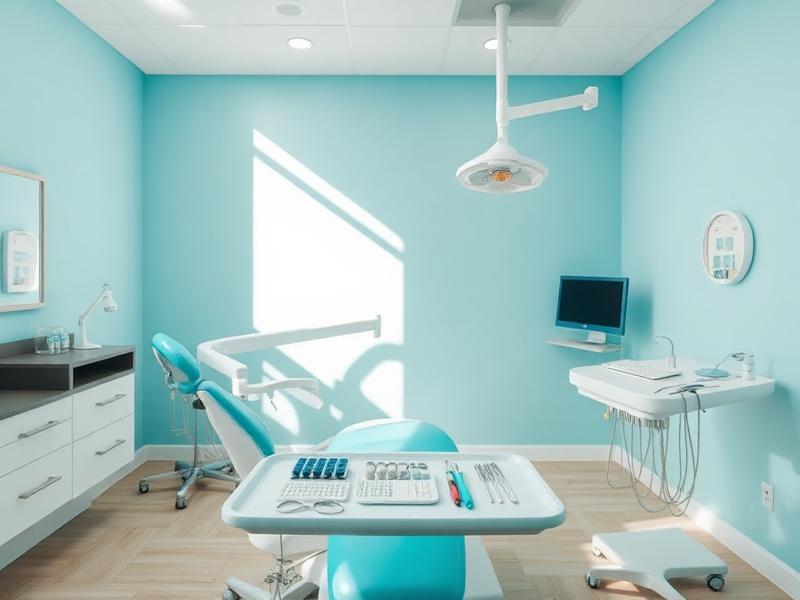
Botox for TMJ and bruxism
What Botox can and cannot do for a sore jaw
Botox can temporarily relax the jaw muscles that clench and grind, and the effect lasts about three to four months. What it cannot do is cure the condition, and it is not FDA approved for TMJ disorders, where study results have been mixed. So the real questions are whether it fits your symptoms and what to try first, and each section below answers one of them.
What Botox for TMJ Does
Botox blocks nerve signals to the muscles it is injected into, so those muscles cannot tense up. The effect is always temporary and can last for several months. Jaw pain and TMJ pain are among the kinds of pain Botox is used for, and for TMJ pain the injections go into the jaw muscles used for chewing.
For severe teeth grinding and clenching, providers might recommend Botox: the injections temporarily relax the jaw muscles and reduce pain. Repeat treatments are needed to keep the result, usually every three to four months.
Does Botox Help TMJ? What the Evidence Says
It is unclear whether Botox helps TMJ disorders, NIDCR says: botulinum toxin is approved by the FDA for some medical conditions, such as migraines, but not for TMD, and studies of it for TMD have had mixed results. Mayo Clinic puts it more narrowly, saying that rarely, injections into the jaw muscles used for chewing may ease pain related to TMJ disorders.
TMJ disorders are not one problem. NIDCR groups them into disorders of the joints, disorders of the muscles used for chewing, and headaches associated with a TMD, and its verdict on botulinum toxin covers TMDs as a whole.
Symptoms of TMD go away without treatment for many people, and because evidence for many TMD treatments is limited, experts recommend conservative TMJ treatment first and avoiding treatments that permanently change the jaw joints, teeth or bite. That is why a consultation comes before any injection here.
Does Botox for TMJ Help Headaches?
It is unclear whether Botox for TMJ helps headaches. Headaches associated with a TMD are one of the three groups of TMJ disorders, botulinum toxin is not FDA approved for TMD, and study results for TMD have been mixed. The FDA has approved Botox injections for chronic migraine, used to prevent headaches in adults who have headaches on 15 or more days a month, lasting four hours a day or longer.
Headaches or facial pain, especially in the morning, are among the symptoms of teeth grinding, along with sore jaw muscles, earaches and pain when eating. Before a TMJ appointment, note whether you often have headaches, neck aches or toothaches, and bring that to the consultation.
Botox for Bruxism: Teeth Grinding and Jaw Clenching
Bruxism is clenching, grinding or gnashing your teeth, usually without realizing it, awake or asleep. Morning headaches or facial pain, sore jaw muscles, earaches, pain when eating and trouble opening or closing the mouth are among its symptoms, and left untreated it can lead to worn, loose or cracked teeth and to TMJ disorder. Grinding in your sleep can do more harm because you do not know it is happening. Healthcare providers, often dentists, typically diagnose bruxism based on a physical exam and your symptoms.
Most people who grind their teeth can ease symptoms with a custom mouth guard, and mild or occasional grinding probably needs no formal treatment. For more severe cases, a provider might recommend:
- A custom mouth guard made by a dentist to protect your teeth, worn when you are most likely to grind
- Stress reduction techniques, such as meditation, exercise and cognitive behavioral therapy
- Lifestyle changes, such as cutting back on caffeine or alcohol and quitting smoking
- A muscle relaxer taken before bedtime, which most providers recommend only for a limited time
- Botox injections, which providers might recommend in severe cases; they temporarily relax the jaw muscles and reduce pain, and are usually repeated every three to four months
How Risky Is Botox for TMJ?
Botox for TMJ is generally safe when a licensed healthcare provider administers it, and most side effects are mild and improve in a day or two. They include pain, swelling, redness or bruising where the needle went in, flu-like symptoms, headache, neck pain, upset stomach, temporary drooping eyelids and eye irritation.
Botox is not for anyone who is pregnant or breastfeeding, or who has a neuromuscular disease, drooping eyelids or weak facial muscles. Blood thinners, NSAID pain relievers and alcohol raise the chance of bruising, so bring a current list of your medications to the consultation. Call your provider at once for vision problems, trouble swallowing, slurred speech, shortness of breath, or numbness or paralysis in an untreated area.
Botox carries an important warning: the medicine may spread from the injection site and affect muscles in other areas, and symptoms such as difficulty swallowing or breathing, double or blurred vision, or muscle weakness all over the body may appear within hours of an injection or as late as several weeks after; for any of them, call your doctor immediately or get emergency medical treatment. The risk of spread is probably highest in people who have or have had swallowing or breathing problems, or a condition that affects the muscles or nerves, so mention any of these at the consultation.
What Happens at a Botox Consultation
Our team evaluates your symptoms, discusses your treatment goals and determines whether Botox is the right approach for you. If it is, the treatment itself is an outpatient procedure: small amounts are injected with a fine needle, sometimes in several spots, and unless your provider says otherwise, you can return to most activities right away.
To reduce redness, swelling or bruising afterward, do not rub or press on the area for 12 hours, stay upright for three to four hours, and skip hard exercise for 24 hours.
Does Botox for TMJ Hurt?
Botox for TMJ usually hurts very little: most people feel little to no discomfort during the injections because the needles are extremely small, and some describe a slight pinching or stinging. The injections may sting and feel uncomfortable, but the procedure is over quickly, and if you are worried about pain, a topical numbing gel can be applied to the skin first.
Small amounts are injected with a fine needle, sometimes in several spots, as an outpatient procedure, and unless your provider says otherwise you can return to work and most activities right after. We take dental anxiety seriously, and the consultation is the place to raise it.
How Fast Does Botox for TMJ Work?
Botox for TMJ can take a few days or up to several weeks to reach its full benefit, MedlinePlus says. Cleveland Clinic puts it sooner: most people notice the effect around the third or fourth day, with full results within 10 to 14 days.
The injections work by blocking nerve signals to the muscles they go into, so those muscles cannot tense up, and once the effect is in place it lasts about three to four months on average.
How Long Does Botox for TMJ Last?
Botox for TMJ lasts about three to four months on average, and retreatment is recommended at that point. Within three to six months the toxin wears off and the muscles regain movement. For teeth grinding, repeat treatments are usually every three to four months to keep the result.
Over time, muscles may train themselves to contract less, so treatments can be spaced further apart, and your provider can tell you how often based on your needs. That makes jaw Botox a repeat treatment rather than a cure: it may help control a condition but will not cure it, and it remains unclear whether it relieves TMD symptoms.
Paying for Botox for TMJ: Insurance and Financing
Our team helps patients understand their benefits and financial options clearly before proceeding.
Health insurance policies vary, and insurers typically cover Botox for medical conditions such as migraines but not for cosmetic purposes, so check with your insurance provider. Benefits and network participation vary by plan, so our team will gladly verify your coverage before treatment. We accept most PPO dental plans, along with CareCredit and other financial arrangements.
TMJ Treatments to Try Before Botox
Ask about simpler treatments and try those first: soft foods, heat or cold on the face with gentle stretching exercises, over-the-counter pain relievers such as ibuprofen, and cutting back on clenching, gum chewing and nail biting. Keep a resting jaw posture: tongue gently on the palate, teeth apart, jaw relaxed. Night guards and splints protect the teeth and may help with clenching, though there is not a lot of evidence that they improve TMD pain.
Botox is among the procedures a provider might suggest when other methods do not help. Ibuprofen is an NSAID, and NSAIDs raise the chance of bruising at an injection site, so include it on the medication list you bring.
Jaw clicking without pain is common and normal and needs no treatment. Pain in the chewing muscles or the joint is the most common symptom of TMD.
Common questions
Botox for TMJ and Grinding Questions
Is Botox for TMJ FDA approved?
No, Botox is not FDA approved for TMJ disorders. Botulinum toxin is FDA approved for some medical conditions, such as migraines, but not for TMD, and study results for TMD have been mixed. In severe cases of teeth grinding, providers might recommend Botox to temporarily relax the jaw muscles and reduce pain.
How long does Botox for TMJ last?
Botox for TMJ lasts about three to four months on average, with the toxin wearing off within three to six months. Repeat treatments for grinding are usually every three to four months, and over time they can sometimes be spaced further apart.
How soon does Botox for TMJ start working?
Botox for TMJ usually starts working around the third or fourth day, when most people notice the effect. The full benefit can take up to several weeks, MedlinePlus says, while Cleveland Clinic gives 10 to 14 days.
Will insurance pay for Botox for jaw clenching?
Whether insurance pays for Botox for jaw clenching depends on your plan, and our team will gladly verify your coverage before treatment. Insurers typically cover Botox for medical conditions such as migraines and not for cosmetic use, so check with your insurance provider. We accept most PPO dental plans, along with CareCredit and other financial arrangements.
Is there a downside to Botox in the jaw muscles?
Yes, Botox in the jaw muscles has downsides. It is temporary and has to be repeated, and it may help control a condition but will not cure it. Most side effects are mild and improve in a day or two, such as pain, swelling or bruising where the needle went in, headache and flu-like symptoms, but the medicine may also spread from the injection site and affect other muscles: for difficulty swallowing or breathing, double or blurred vision, or muscle weakness all over the body, call your doctor immediately or get emergency medical treatment. People who are pregnant or breastfeeding, or who have a neuromuscular disease, should not have it.