
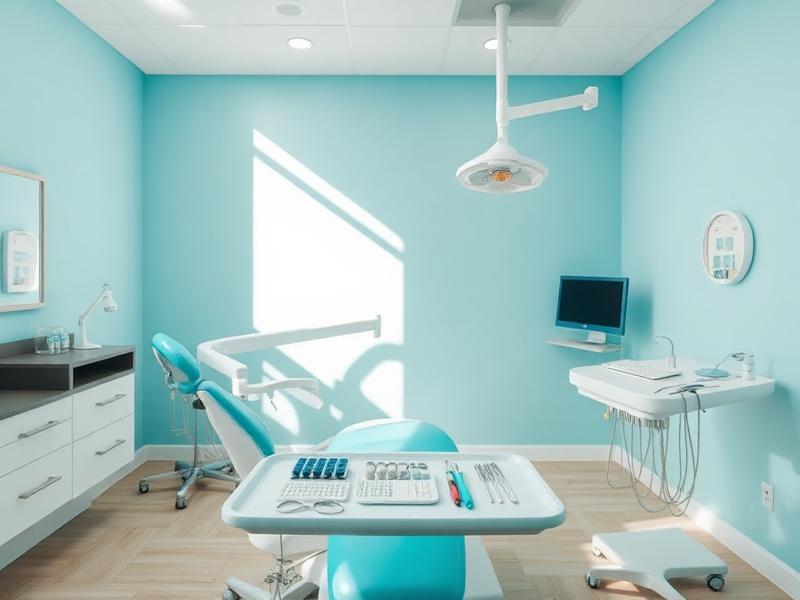
Dental implants in Valencia
How a dental implant replaces a tooth
An implant has a post that sits in the bone, a small connector called an abutment, and the crown, bridge or denture you see. As it heals, the bone grows around the post, a process called osseointegration.
Who Is a Candidate for Dental Implants?
According to Cleveland Clinic, the main requirement for a dental implant is enough healthy bone in your jaw. The minimum age is typically 18, once you are done growing, and there is no upper limit. The ADA notes that your health is more of a factor than your age.
Cleveland Clinic lists several situations where an implant may not be the best option: active or untreated gum disease, extensive tooth decay, severe bone loss in the jaw, unmanaged diabetes, poor oral hygiene, and bone disorders or some autoimmune diseases. It may not be a good idea if you smoke or vape, as this can disrupt healing, and the FDA notes that smoking may lower an implant's long-term success.
When there is not enough jawbone, Cleveland Clinic notes that a provider may need to place a bone graft to build up places where there is bone loss.
Planning With 3D Imaging and Digital Scans
Smile Care Valencia has a 3D cone-beam CT scanner in the office. It gives a detailed view of your teeth, jawbone, sinuses and nearby nerves, and it is used to evaluate complex concerns and plan implant treatment with greater precision.
Intraoral scanning, used for implant restorations, builds a three-dimensional model of your mouth without bulky impression trays.
Titanium or Zirconia Implants
Our office offers both titanium implants and metal-free zirconia implants. Cleveland Clinic notes that most implants are titanium and some are ceramic, and that both materials are safe and biocompatible. Dr. Robert P. Hedvat explains the advantages and limitations of each, so the material is chosen around your health, your anatomy and your preference.
The Stages of Dental Implant Treatment
The ADA describes generally three phases. The implant is placed in the jawbone, the bone heals around it, and then the replacement tooth or teeth are attached. At our Valencia Blvd. office, Dr. Robert P. Hedvat places the implant and performs any bone grafting it needs.
Cleveland Clinic says it can take anywhere from three to nine months for the bone to fuse with the implant, depending on how quickly your body heals. Attaching the abutment and the final crown, bridge or denture usually takes about an hour and may need a second minor surgery. According to the ADA, some patients can have the implant and replacement teeth placed in one visit, while others wait until the implant has fully integrated.
Cleveland Clinic notes that if your implant is near the front of your mouth, your dentist will make a temporary tooth, and if it is near the back, you may not need one.
Sedation, Comfort and Recovery
According to Cleveland Clinic, anesthesia numbs your gums for implant surgery. Our office offers personalized sedation options, including nitrous oxide, twilight sedation where appropriate after reviewing your health and the planned procedure, and IV sedation under the care of a Dental Anesthesiologist.
Cleveland Clinic says slight discomfort and swelling after surgery are normal, that over-the-counter pain relievers can help ease them, and that the first round of healing takes about a week. The ADA notes that your dentist may recommend a diet of soft foods, cold foods and warm soup during the healing process.
Caring for a Dental Implant
The FDA calls regular cleaning of the implant and the teeth around it very important for its long-term success. It also advises regular visits with your dental provider, and telling your dental provider right away if an implant feels loose or painful.
Alternatives and Downsides
A bridge and a denture are alternatives. Cleveland Clinic notes that to replace one missing tooth with a tooth-supported bridge, your dentist must shave down at least one tooth on either side of the gap, while an implant replaces the tooth without involving its neighbors. Standard dentures rest on the gums, and implant-supported dentures attach to implants for more stability than conventional dentures.
An implant needs surgery and months of healing. The FDA notes that complications can occur soon after placement or much later, that some result in implant failure, and that implant failure can result in the need for another surgical procedure. It describes failure due to systemic infection, which may be more likely in patients with uncontrolled diabetes, and due to delayed healing, which may be more likely in patients who smoke.
What Changes the Cost of Dental Implants
The American Association of Oral and Maxillofacial Surgeons notes that the cost of dental implants can vary greatly depending on which and how many teeth are being replaced.
We accept most PPO dental plans. Benefits and network participation vary by plan, so our team will gladly verify your coverage before treatment. We also accept CareCredit and offer financial arrangements, and our team helps you understand your benefits and financial options clearly before you proceed.
Implant options
Implant Options for One Tooth or Many
Cleveland Clinic describes these types of implant restoration.
Single-Tooth Implant
One implant supports one crown to replace a single missing tooth.
Implant Bridge
Two or more implants support a bridge that replaces three or more teeth.
Implant-Supported Denture
The denture attaches to dental implants, which offers more stability than a conventional denture.
Full-Arch Implants
Multiple implants, usually four to six, support a full arch of teeth. See also All-on-4 dental implants.
Common questions
Dental Implant Questions
How much do dental implants cost in Valencia?
The AAOMS notes that cost can vary greatly depending on which and how many teeth are being replaced. We accept most PPO dental plans and CareCredit, and our team will gladly verify your coverage before treatment.
What disqualifies you from dental implants?
Cleveland Clinic names enough healthy jawbone as the main requirement, and a provider may need to place a bone graft where there is bone loss. It also lists active or untreated gum disease, unmanaged diabetes and extensive tooth decay among the situations where an implant may not be the best option, and notes that smoking can disrupt healing. A dentist is the only person who can tell you whether you are a candidate.
Is it worth getting dental implants at 70?
Cleveland Clinic says there is no upper age limit, and the ADA says your health is more of a factor than your age. A dentist is the only person who can tell you whether you are a candidate.
How long does the implant process take?
Cleveland Clinic says it can take anywhere from three to nine months for the bone to fuse with the implant before the final tooth is attached. According to the ADA, some patients can have the implant and replacement teeth placed in one visit.
Does getting a dental implant hurt?
Your gums are numbed for the surgery, and our office offers sedation options. Cleveland Clinic says slight discomfort and swelling afterward are normal, and that you should feel like yourself within a week or so.
What can I do instead of a dental implant?
A bridge or a denture. Cleveland Clinic notes that a tooth-supported bridge means shaving down at least one tooth on either side of the gap, and a standard denture rests on the gums.